Smart locks can work well in Ontario winters when the right hardware is chosen and installed properly. This guide explains what to look for before smart lock installation, how cold weather affects batteries, keypads and door alignment, and when a smart deadbolt or keypad door lock makes sense for homes, condos and rental properties across the GTA.
Yes, smart locks can work in Canadian winters, but performance depends heavily on the lock type, battery behaviour in cold weather, and the condition of the door itself. Good smart lock installation starts with an honest assessment of your entry door, frame, weatherstripping and deadbolt alignment so the lock is not fighting swelling, drafts or ice every time it cycles.
In places like Toronto, Mississauga and Markham, winter problems are often caused less by the electronics and more by a door that shifts with freeze-thaw cycles. If the bolt rubs, the threshold ices up, or the frame has moved over time, even a high-quality keyless entry system may struggle until the door hardware is adjusted properly.
What matters most before smart lock installation
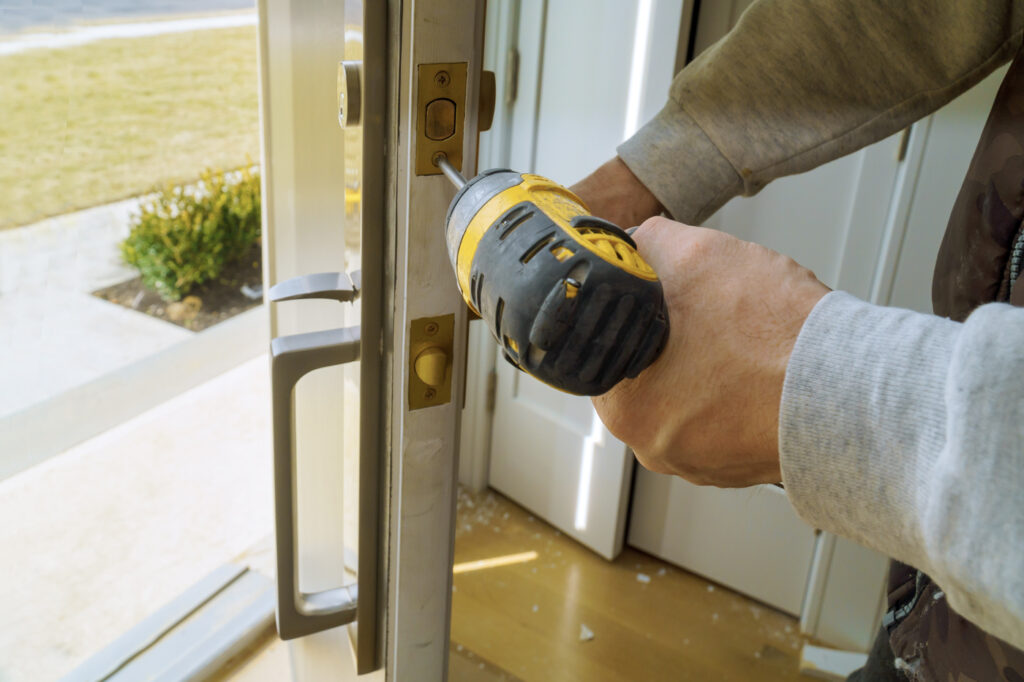
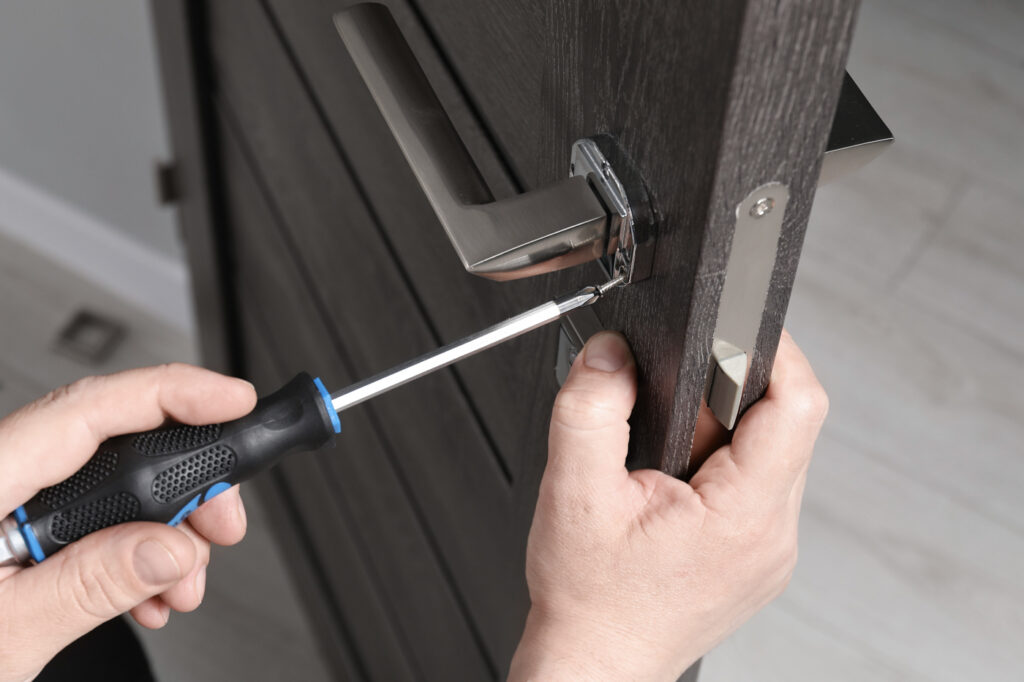
Smart lock installation means fitting and configuring an electronic locking system so it works reliably with your existing door, frame and deadbolt prep. In cold climates, the installer should check more than the lock itself: alignment, latch operation, weather exposure, battery access and whether the door seals tightly without putting pressure on the bolt.
Why the door condition matters as much as the lock
A smart lock does not fix a sticking door. If the deadbolt already needs force to lock manually, adding a motorized turnpiece may make the problem more obvious in winter, when wood, metal and weatherstripping react to temperature and moisture changes.
Before recommending a keypad lock or smart deadbolt, a technician should usually inspect:
- Deadbolt alignment with the strike plate
- Door frame movement or sagging hinges
- Gaps around the slab that let in cold air and moisture
- Threshold condition and ice buildup near the sill
- Worn weatherstripping or a compressed bottom seal
- Whether the lock is exposed to driving snow or freezing rain
If the entry system is older, it may also be worth checking whether the door itself is due for repair or replacement. Edge Home handles door repair and installation services as well as lock upgrades, which can help when the issue is both mechanical and security-related.
Best use cases for keyless entry in Ontario
Keyless entry is especially practical for busy households, rental turnovers and side entrances where keys are often misplaced. It can also reduce the need for physical key handoffs for cleaners, dog walkers, contractors or relatives, provided access codes are managed properly.
Common situations where smart locks make sense include:
- Moving into a new home and wanting control without full rekeying of multiple keys
- Condo living where you want code access on the suite door, subject to building rules
- Rental properties between tenants where access needs to change quickly
- Homes with attached garages where the main entry sees frequent daily use
- Owners who want to pair better security with convenience and curb appeal
For broader security planning, including rekeying, deadbolt changes and access control advice, homeowners can review residential and commercial locksmith services before choosing hardware.
How smart lock cold weather issues usually show up
Smart lock cold weather problems usually show up as slow motor response, battery drain, keypad lag or failed locking caused by door misalignment. The cold rarely damages the lock overnight; more often, winter exposes an existing issue with fit, sealing or maintenance.
Battery performance drops in the cold
Most smart locks rely on batteries, and cold temperatures may reduce available power temporarily. That can lead to slower operation, warning alerts or a lock that works fine during the day but struggles overnight when the door area gets colder.
This does not always mean the lock is defective. It may simply mean the batteries are nearing the end of useful life, the lock is working harder than it should, or the entry is more exposed than expected.
Door pressure can stop the bolt from throwing properly
In winter, homeowners often assume the electronics failed when the real issue is pressure on the deadbolt. A door that expands, shifts or seals too tightly may stop the motor from extending the bolt fully, especially if the strike opening is already slightly off.
Watch for these signs:
- The lock works with the door open but not when closed
- You have to push or pull the door to lock it
- The keypad lights up, but the bolt only moves partway
- The manual thumbturn feels stiff during cold snaps
- Ice, snow or salt buildup is visible at the threshold
Ontario homeowners already deal with similar winter movement around windows, sealed units and exterior doors. Better air sealing and hardware adjustment may improve both lock reliability and overall home improvement performance, including comfort and energy efficiency.
Condensation and exposure also matter
A covered porch is easier on electronics than a door fully exposed to wind-driven snow. If moisture repeatedly reaches the interior side of the lock or freezes around the cylinder area, reliability may drop, especially on doors with poor caulking or worn seals.
Natural Resources Canada notes that air leakage around openings affects comfort and heating efficiency, which is one reason proper sealing matters around entry doors as much as around windows. General federal guidance on energy efficiency is available at Canada.ca.
Choosing between a smart deadbolt and a keypad door lock
A smart deadbolt replaces or motorizes the deadbolt function, while a keypad door lock may combine code access with a latch or deadbolt depending on the design. In winter climates, reliability usually depends less on “smart” features and more on simple, solid locking action and a compatible door prep.
| Option | Best for | Winter consideration |
|---|---|---|
| Smart deadbolt | Main entry doors where security is the priority | Needs smooth bolt alignment and a stable frame |
| Keypad door lock | Convenient everyday access without keys | Buttons and battery access should stay usable in cold conditions |
| Traditional deadbolt with rekeying | Owners who want simplicity and fewer electronics | Often more forgiving if the door is older or exposed |
If you are unsure which setup suits your property, you can request a free estimate for lock and door assessment or send photos of the entry for a quicker recommendation. In many cases, the right answer depends on whether the priority is convenience, tighter key control, better security after a move, or dependable operation on an older Ontario door.
What affects the cost of smart lock work in Ontario
The cost of a smart lock project usually depends on the existing door condition, the type of hardware selected, and whether the job is a straightforward swap or part of a larger repair. In Ontario, winter exposure and older entry doors often add labour because alignment, weatherstripping or strike adjustments may be needed before the lock can work properly.
Main factors that change the price
- Whether the job is a new smart lock installation or a replacement of an existing electronic lock
- Door material, thickness and overall condition
- Single deadbolt only versus a full handle set and lock upgrade
- Need for frame correction, hinge adjustment or threshold work
- Battery-powered standalone lock versus a connected system with app setup
- Condo requirements, buzzer integration limits or building rules
- After-hours service, urgent lockout response or post-break-in repairs
For some homes in Toronto, Vaughan or Richmond Hill, the lock itself is only part of the job. If the entry slab has shifted, the strike is worn, or the weather seal is pushing the door too hard against the frame, the installer may recommend correcting those issues first so the hardware is not strained every day.
When rekeying still makes more sense
If your current deadbolt is solid, weather-resistant and operating smoothly, rekeying may be the simpler option. This is often practical after a move, during tenant turnover, or when you want better key control without adding electronics to an exposed exterior door.
Property owners comparing electronic access, lock changes and rekeying can review Edge Home service options to see how lock work may fit into a broader security or entry door upgrade.
From estimate to final check: what a proper installation should include
A proper installation should include assessment, hardware fitting, alignment checks, programming and a final function test. The goal is not just to mount the lock, but to make sure the deadbolt throws freely, the door seals correctly and the user has dependable access in day-to-day winter conditions.
Typical job flow
- Estimate and assessment
Photos may help with an initial quote, but an on-site visit is often best when the door is older or already sticking. The technician checks the bore holes, backset, frame condition, latch fit and how the door closes against the threshold. - Repair-versus-upgrade recommendation
If the opening is in good shape, the lock may be installed right away. If not, small corrections such as hinge tightening, strike adjustment, caulking touch-ups or weatherstripping replacement may be recommended first. - Hardware installation and setup
The lock is fitted, calibrated and tested for manual and electronic operation. User codes, app pairing and backup entry options are reviewed before the technician leaves. - Final check for winter reliability
The closing pressure, bolt travel and seal contact should be checked with the door fully shut. This step matters because a lock that seems fine on an open door may fail once the slab compresses the seals.
What should be tested before the job is finished
- Manual key or thumbturn operation without binding
- Full bolt extension with the door closed
- Code entry response and keypad visibility
- Battery compartment access for future maintenance
- Latch and deadbolt alignment after repeated cycles
- Door closing and sealing without extra force
If the front entry also has draft, glass or frame issues, it may be worth combining the visit with a broader review of window and glass repair services. In older GTA homes, poor sealing around nearby sidelites, transoms or a failed sealed unit can contribute to comfort problems around the same entrance.
DIY mistakes, winter upkeep and when to call a professional
Most smart lock problems seen in winter come from poor fit, skipped adjustments or neglected maintenance rather than from the electronics alone. A careful install and a few seasonal checks usually do more for reliability than replacing hardware too quickly.
Common mistakes homeowners make
- Installing a lock on a door that already rubs or sags
- Assuming low batteries are the only cause of failed locking
- Overtightening hardware and distorting the interior plate
- Ignoring worn weatherstripping that changes closing pressure
- Choosing convenience features without considering exposure to snow or freezing rain
It is usually fine to replace batteries, wipe down the exterior and keep the area around the threshold clear. It is not a good DIY job to modify the door prep aggressively, enlarge the strike poorly, or force a misaligned smart deadbolt to “learn” around a mechanical problem.
Simple winter maintenance that helps
Seasonal maintenance is basic but important. Keep snow, slush and salt away from the sill, check that the bottom seal is not bunching up, and make sure the door closes without having to lean on it.
- Replace batteries before deep winter if performance has slowed
- Clean the face of the lock and keypad gently
- Inspect the threshold for ice buildup
- Check caulking and weatherstripping for gaps
- Test backup access methods so you are not surprised during a cold snap
When professional help is the better call
Book service if the lock works only with the door open, if the deadbolt scrapes, or if repeated battery changes do not solve the issue. A technician should also inspect the setup after a break-in attempt, frame damage, or a move-in where you are deciding between a connected lock, a high-security lock or a master key plan for a small multi-unit property.
For entry doors that are worn, drafty or no longer closing properly, a lock upgrade may need to be paired with Toronto-area repair and installation support so the whole opening works as it should. The same diagnose-first approach applies across lock hardware, doors, windows, garage door opener issues, rollers, tracks, safety sensors and auto-reverse checks.
Conclusion
Smart locks can be a practical upgrade for Ontario homes, condos and rentals, but winter reliability depends on more than the device on the door. The best results usually come from matching the hardware to the entry, correcting alignment issues, protecting the opening from moisture and keeping up with simple seasonal maintenance. In many cases, a proper smart lock installation also improves daily convenience without sacrificing security.
If you are comparing a connected lock, a traditional deadbolt, rekeying or a full entry upgrade, Edge Home can assess the door first and recommend the most sensible option for your property. Free estimates are available across the GTA for locksmith work, doors and windows, garage doors and general home improvement. You can also send photos of the door, lock or frame for a quicker quote.
Frequently Asked Questions
How much does smart lock installation cost in Toronto or the GTA?
Smart lock installation cost depends on the lock type, door condition and whether extra adjustment is needed. A simple replacement is typically different from a job that needs hinge correction, strike alignment, weatherstripping or app setup. Edge Home can provide a free estimate on site or from clear photos.
Will a smart lock work in cold weather on an Ontario front door?
Yes, a smart lock can work in cold weather if the hardware suits the exposure and the door is properly aligned. Winter problems often come from weak batteries, ice at the threshold, worn seals or a deadbolt rubbing the strike plate. A covered entrance is typically easier on electronics.
Is a smart deadbolt better than a keypad door lock for Canadian winters?
A smart deadbolt is often best when security is the priority, while a keypad door lock is useful for convenient code access. In winter, the better choice depends on smooth bolt movement, battery access, weather exposure and door condition. Either option may struggle if the door is already sticking.
Why does my keyless entry lock work with the door open but not when it is closed?
This usually means the deadbolt is binding against the strike plate or frame when the door is closed. Cold weather can make the problem worse as doors, seals and frames shift. If you have to push or pull the door to lock it, alignment should be checked before replacing the lock.
Can I do smart lock installation myself, or should I call a locksmith?
You may be able to replace batteries or mount some basic locks, but professional installation is safer when the door needs adjustment. A technician can check bore size, backset, strike alignment, frame movement and weatherstripping pressure. Forcing a smart deadbolt onto a misaligned door can lead to unreliable locking.
How long does smart lock installation usually take for a home or condo?
Smart lock installation is often a shorter visit when the existing door and deadbolt prep are in good condition, but timing varies by project scope. Older doors, condo rules, app setup, frame issues or weatherstripping repairs may add time. Edge Home can review photos first and advise what to expect.