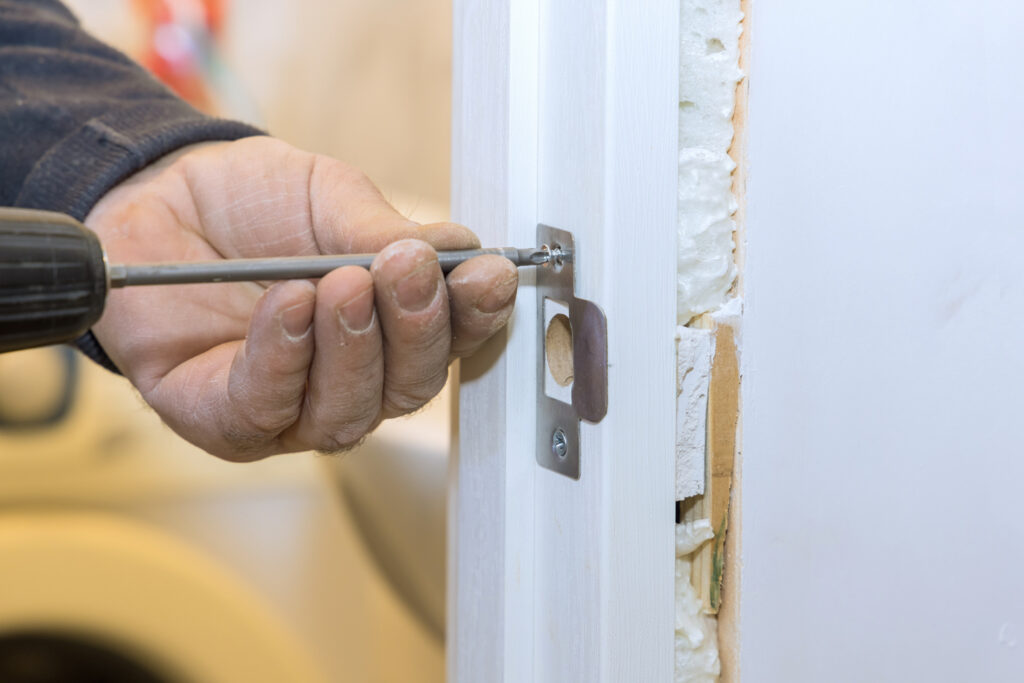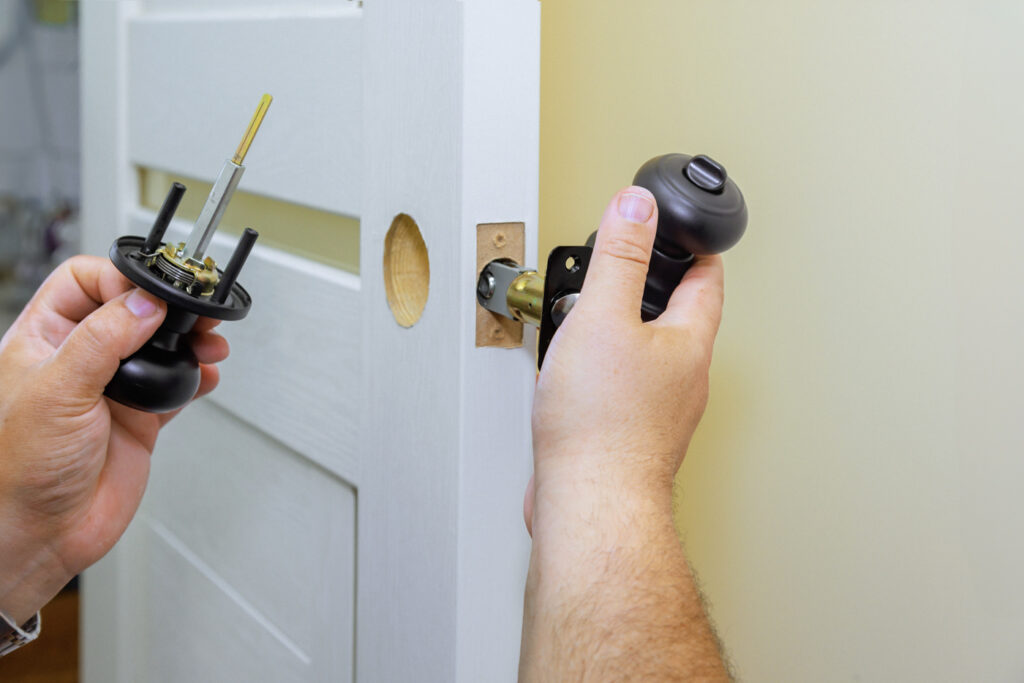
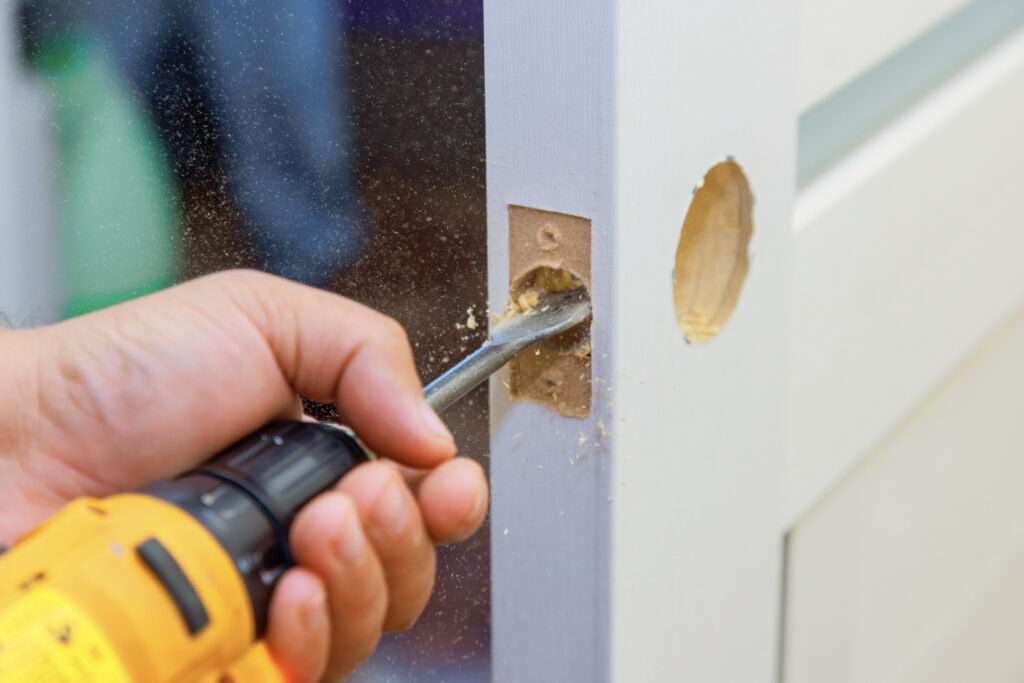
Locked out of house and not sure what to do next? Start with safety, verify whether there is an urgent risk, and avoid forced entry that can damage the door, frame or lock. This guide explains the safest first steps, when to call an emergency locksmith, and how a residential locksmith can help you regain access and secure the property properly.
If you are locked out of house, the safest next step is to stay calm, check for immediate safety concerns, and call a professional if you cannot enter without damage. A proper house lockout response focuses on safe access, identity verification, and protecting the lock, door and frame from unnecessary repairs.
Locked Out of House: What to Do Right Away
When you cannot get back inside, the first few minutes matter. The goal is to regain access safely without turning a simple lockout into a broken door, damaged deadbolt or security problem.
1) Check for urgent safety issues first
If a child, senior, pet, stove, space heater or running bath is inside, treat the situation as urgent. In Ontario winters, being locked out during a cold snap can also become a health and safety issue quickly, especially late at night or without proper outerwear.
- Call 911 if there is an immediate danger to life or fire risk.
- Move to a safe, warm location if weather conditions are severe.
- Ask a trusted neighbour to stay nearby while you arrange help.
2) Rule out the simple fixes
Before calling for lockout service, take a quick look at the obvious possibilities. Many lockouts happen because the wrong key was grabbed, the handle was left locked, or a smart lock battery failed.
- Check all usual entry doors, including a side or rear door.
- Confirm whether another household member has a key.
- Look for a dead smart lock keypad, jammed latch or misaligned strike.
- If you live in a condo, contact concierge or property management if permitted by building rules.
Do not climb through a window, force a patio door, or try to defeat the lock. Older GTA homes in Toronto, Mississauga and Brampton may already have shifted frames, worn weatherstripping or swollen wood doors, and forcing entry can turn a lock problem into a larger door repair.
3) Avoid DIY entry methods that cause damage
A house lockout is frustrating, but improvised tools often bend hardware, crack trim or damage the latch. That may leave you paying for both a locksmith visit and a door repair afterward.
It is also worth remembering that a professional locksmith will verify identity and proof of residence before opening the home. That protects you and the property, especially in rental, condo and tenant-turnover situations.
When to Call an Emergency Locksmith
An emergency locksmith is the right choice when you need fast, non-destructive entry, especially outside normal hours or when security is at stake. A trained residential locksmith can assess whether the issue is a simple lockout, a failed lock mechanism, a broken key, or a door alignment problem affecting the latch and deadbolt.
Situations that usually need professional help
- Your key turns but the door will not open.
- The key broke off in the cylinder.
- The deadbolt is jammed or misaligned.
- The smart lock, keypad lock or battery backup failed.
- You were locked out after a break-in or attempted forced entry.
- The door is swollen, shifted or rubbing at the threshold.
- You need access without damage because of a rental, condo or insurance concern.
Edge Home provides residential locksmith services for home access, lock repair, rekeying and security upgrades. If the lockout is connected to a warped door, loose hardware or poor alignment, the issue may also involve door repair and adjustment rather than the lock alone.
What a locksmith may check on arrival
A proper diagnosis comes before any repair recommendation. The technician may inspect the cylinder, latch, deadbolt, strike plate, hinges, frame alignment and door clearance at the threshold.
- Whether the lock can be opened and reused
- Whether rekeying is enough after lost or unreturned keys
- Whether the lock should be replaced due to wear or damage
- Whether the door frame or hardware is causing the lockout
If you need help quickly, you can also request a service visit and send photos of the lock, key and door edge for a faster quote where possible.
Rekeying vs Changing the Lock After a Lockout
After you get back inside, the next question is whether the existing hardware is still secure. If your keys were lost, stolen, borrowed and not returned, or left with a previous tenant or contractor, rekeying or replacement may both be worth considering.
| Option | Best for | What changes | Notes |
|---|---|---|---|
| Rekeying | Lost keys, move-ins, tenant turnover | Internal pins are changed so old keys no longer work | Usually keeps the existing lock if it is in good condition |
| Changing the lock | Worn, damaged or outdated hardware | The lockset or deadbolt is replaced | May be better if you want a smart lock, keypad lock or high-security lock |
When rekeying makes sense
Rekeying is often the practical choice when the lock works well and the issue is key control, not hardware failure. It is common after moving into a home, after a roommate change, or during landlord turnover where permitted by Ontario rules and lease obligations.
When replacement may be the better option
If the cylinder is worn, the deadbolt sticks, the latch is unreliable, or the hardware shows signs of forced entry, replacement may be the safer long-term fix. Some owners also use a lockout as the right time to upgrade to a smart lock, keypad lock or high-security lock.
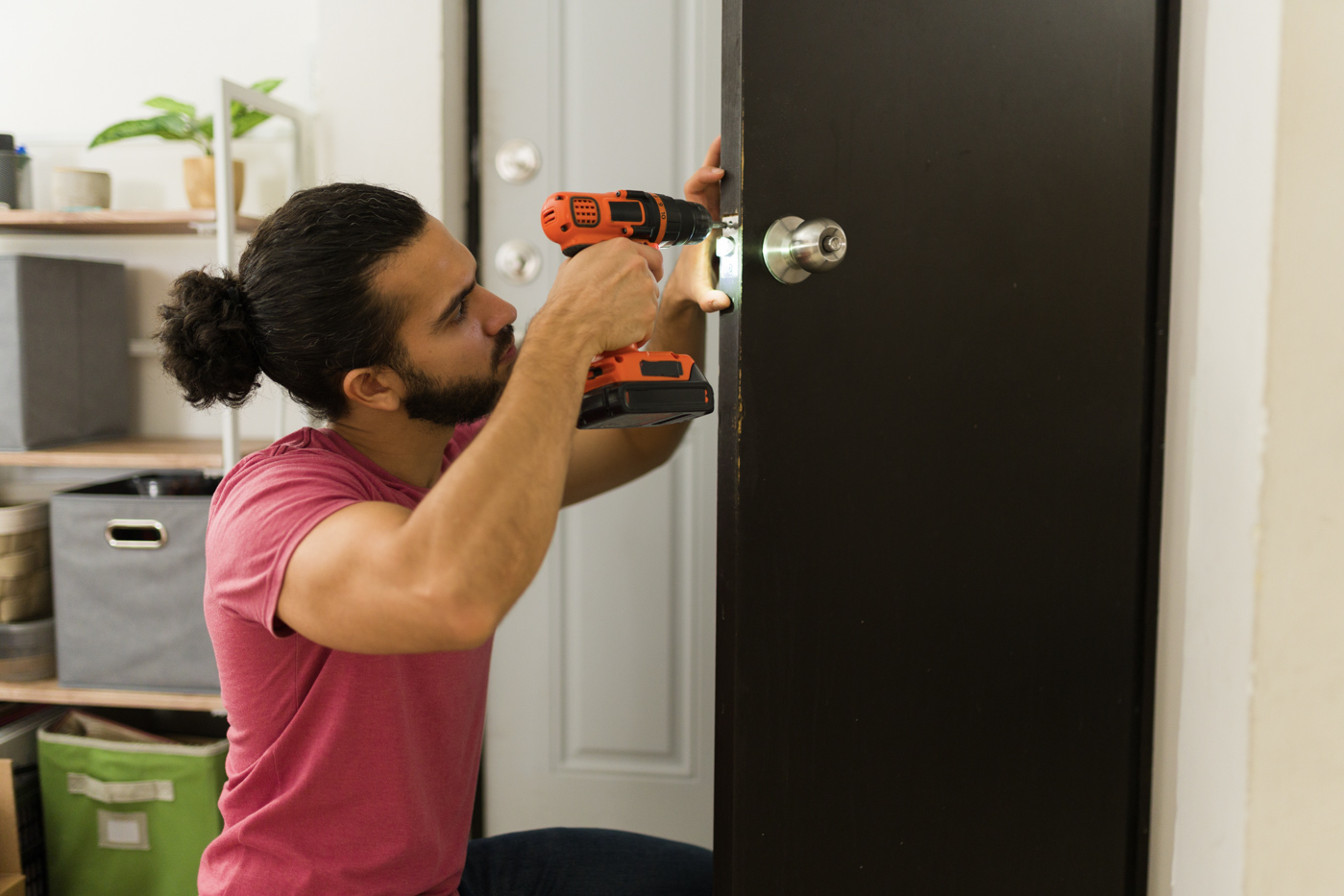
For homeowners thinking beyond the immediate emergency, Edge Home’s repair and installation services can help with both access and follow-up security work. General home security guidance from the Government of Canada is also available at Canada.ca.
What Affects the Cost of a House Lockout Service
The cost of a house lockout service usually depends on the lock type, time of day, urgency, whether parts are needed, and whether the problem is the lock, the door, or both. A simple entry call may cost less than a visit that also involves rekeying, deadbolt replacement or frame adjustment.
Main factors that may change the price
- Standard keyed knob or lever versus deadbolt, smart lock or keypad lock
- Daytime appointment versus late-night, weekend or holiday emergency call
- Condo access rules, parking, and building entry coordination
- Whether the lock can be opened cleanly or needs repair afterward
- Whether parts are worn, corroded or damaged from a failed DIY attempt
- Whether the issue includes a sagging door, loose hinges or threshold misalignment
In older homes in Toronto, Mississauga and Brampton, a lockout may not be just a key problem. Seasonal swelling, shifting frames and worn weatherstripping can make the latch bind, especially after freeze-thaw cycles. In those cases, the service may involve both locksmith work and a door adjustment.
Why a photo can help before the visit
Photos of the lock face, keyway, door edge, strike area and any visible damage can help narrow down the likely cause. That makes it easier to explain whether you may need access only, rekeying, a new deadbolt or follow-up door repair, although final pricing still depends on the on-site assessment.
If the lockout is part of a larger security or repair issue, Edge Home also handles related home improvement repairs and adjustments that may affect how the door closes and locks.
What Happens During the Visit
Most residential lockout calls follow a straightforward process: identity verification, diagnosis, safe entry, hardware testing and a clear recommendation. The goal is not just to open the door, but to leave you with a lock and entry door that work properly and securely.
Typical step-by-step process
- Arrival and verification: A residential locksmith confirms identity and proof of residence before opening the home.
- Lock and door assessment: The technician checks the cylinder, latch, deadbolt, handle set, hinges and frame alignment.
- Non-destructive entry where possible: The safest method depends on the hardware condition and the reason for the lockout.
- Function test: After access is restored, the lock is tested from inside and outside to confirm smooth operation.
- Next-step recommendation: If needed, you receive repair, rekeying or replacement options based on the condition of the hardware.
When the problem is not the lock itself
Some lockouts happen because the door is out of alignment, not because the cylinder failed. A rubbing slab, loose hinge screws, a shifted strike plate or a swollen threshold can stop a deadbolt from retracting fully. This is common in houses where the front entry sees a lot of weather exposure.
Where drafts, water entry or worn seals are contributing to movement around the opening, related window and exterior sealing repairs may also be worth addressing to improve comfort and energy efficiency.
After-entry options at a glance
| Situation after entry | Likely next step | Why it may help |
|---|---|---|
| Lock works normally, keys are missing | Rekeying | Stops old keys from working without replacing good hardware |
| Deadbolt sticks or binds | Adjustment or repair | Corrects alignment and may prevent repeat lockouts |
| Hardware is worn, loose or damaged | Lock replacement | Restores reliable operation and security |
| Break-in damage or outdated security | Upgrade to newer hardware | May improve key control and resistance to tampering |
How to Prevent Another Lockout
If you have been locked out of house once, a few practical changes can reduce the chance of it happening again. The best prevention plan usually combines better key control, regular hardware maintenance and a quick check of any door that has started sticking or shifting.
Simple prevention steps that make a difference
- Have worn keys copied before they start catching in the cylinder.
- Replace weak smart lock batteries on a schedule instead of waiting for failure.
- Check that the deadbolt throws smoothly without lifting or pulling the door.
- Tighten loose handle and hinge screws before alignment gets worse.
- Keep thresholds clear of ice, snow and debris in winter.
- Review who still has keys after a move, renovation or tenant turnover.
Ontario weather and entry door maintenance
Cold snaps, moisture and road salt can shorten the life of exterior hardware and make doors harder to latch. Seasonal maintenance may include cleaning and checking weatherstripping, inspecting caulking, and watching for early signs of corrosion around the lock and strike area.
If your front entry is older, it may also be worth reviewing the condition of nearby glass, sealed unit performance and drafts around the opening. Better-fitting doors, proper bottom seal contact and sound exterior sealing can improve comfort, curb appeal and heating efficiency during Ontario winters.
When an upgrade makes sense
Repeated lockouts, unreliable key control or visible wear are often signs that the old setup no longer suits the property. Depending on the household, a keypad lock, smart lock or high-security lock may be worth considering. For duplexes, rental properties or mixed-use buildings, more structured access planning may also be helpful.
For broader property access and security planning, you can review Edge Home’s service areas across Ontario to see whether local support is available for your home or rental unit.
Get Back In Safely and Fix the Cause
When you are locked out of house, the safest approach is to avoid damage, confirm whether the issue is urgent, and have the lock and door assessed properly. A lockout can be as simple as a misplaced key, but it can also point to a sticking deadbolt, worn hardware, frame movement or weather-related alignment problems. A proper diagnosis helps you avoid repeat service calls and unnecessary repairs.
If you are dealing with a house lockout, lost keys, a failed smart lock or a door that no longer closes properly, Edge Home can help with locksmith work, doors and windows, garage doors and general home improvement across the GTA. Book a free estimate or send photos of the door, window or lock for a quick quote and a clear next-step recommendation.
Frequently Asked Questions
What should I do first if I am locked out of house in Toronto at night?
Start by checking for immediate safety risks, then move to a safe, warm place while arranging help. If a child, senior, pet, stove or fire risk is involved, call 911. Avoid forcing the door or climbing through windows, because that can cause injury and expensive damage.
How much does a house lockout service cost in the GTA?
The cost of a house lockout service depends on the lock type, time of day, urgency, and whether repairs or parts are needed. A simple access call is typically different from a visit involving rekeying, deadbolt replacement or door alignment. Edge Home can provide a free estimate.
Can an emergency locksmith open my door without damaging the lock?
An emergency locksmith will usually try non-destructive entry where possible, depending on the lock condition and why it failed. Damage is more likely if the hardware is worn, jammed, previously forced or affected by door misalignment. A proper assessment helps protect the door, frame and lock.
Is it better to rekey or change locks after being locked out of house?
Rekeying is often best when the lock works well but key control is the concern. Changing the lock may be better if the hardware is worn, damaged, outdated or unreliable. Lost keys, tenant turnover, move-ins and break-in damage can all affect the right choice.
Why does my key turn but the front door still will not open?
A key that turns without opening the door may point to a jammed latch, misaligned deadbolt, worn cylinder or shifted door frame. In Ontario, moisture, cold weather, ice at thresholds and seasonal swelling can make the problem worse. A residential locksmith can check both the lock and door alignment.
Can a residential locksmith help if my smart lock or keypad lock fails?
Yes, a residential locksmith can assess many smart lock and keypad lockout problems, including dead batteries, failed keypads, jammed latches and alignment issues. The technician will verify identity and proof of residence before opening the home. Edge Home can also review whether repair, rekeying or replacement makes sense.