Not sure about rekey vs change locks after moving in? The right choice depends on who may still have keys, the condition of the existing hardware, and whether you want a simple key reset or a full security upgrade. This guide explains when rekeying locks makes sense, when lock replacement is the better move, and what Ontario homeowners should check right away.
For most move-ins, the safest default is to address the locks as soon as you take possession. In a rekey vs change locks decision, rekeying is usually the practical option when the hardware is in good shape, while changing locks is often better if the locks are worn, outdated, damaged or no longer suit your security needs.
If you have just moved into a house, condo or rental unit in Toronto, Mississauga, Brampton, Markham, Vaughan or Richmond Hill, it is reasonable to assume you do not know exactly how many key copies are still out there. A professional assessment can help you decide whether residential locksmith services should focus on rekeying existing cylinders or a full lock replacement for better new home security.
Rekey vs Change Locks: What Is the Difference?
Rekeying means adjusting the inside of the existing lock so old keys no longer work and a new key does. Changing locks means removing the current hardware and installing new locksets, deadbolts or smart locks. Both improve access control, but they solve different problems.
What rekeying locks does
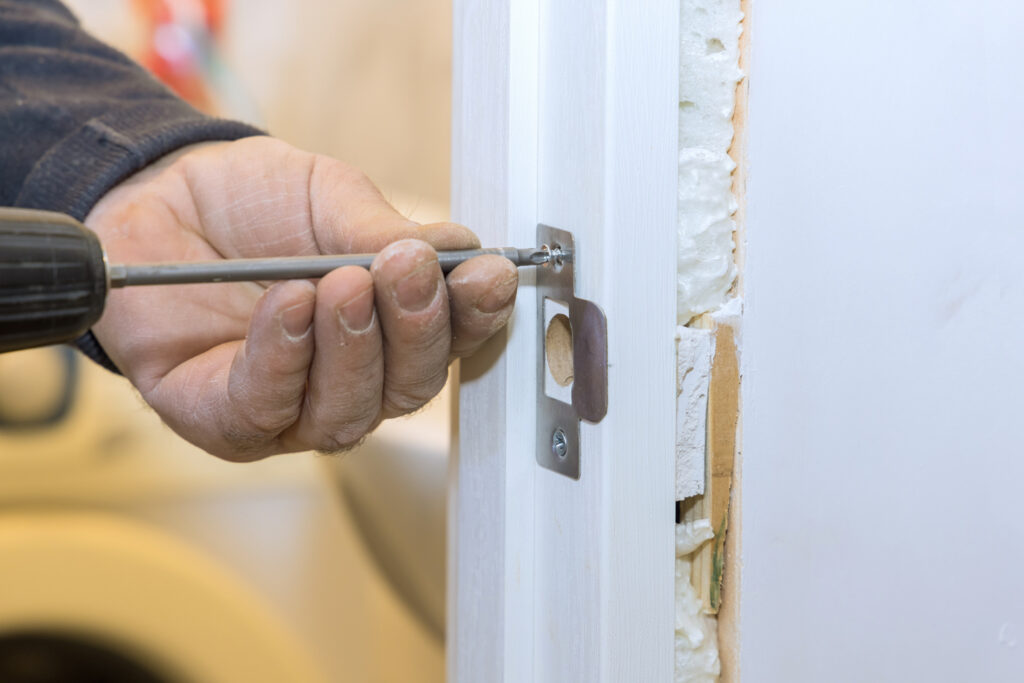
Rekeying locks keeps the exterior hardware in place and changes the key combination inside the cylinder. This is often a good fit when the lock body, latch and deadbolt still work properly, the finish is acceptable, and you simply want to make sure previous keys no longer open the door.
- Usually faster than full replacement
- Often more cost-effective when hardware is still sound
- Can allow one key to work across several compatible locks
- Helpful after a home purchase, tenant turnover or misplaced keys
What lock replacement does
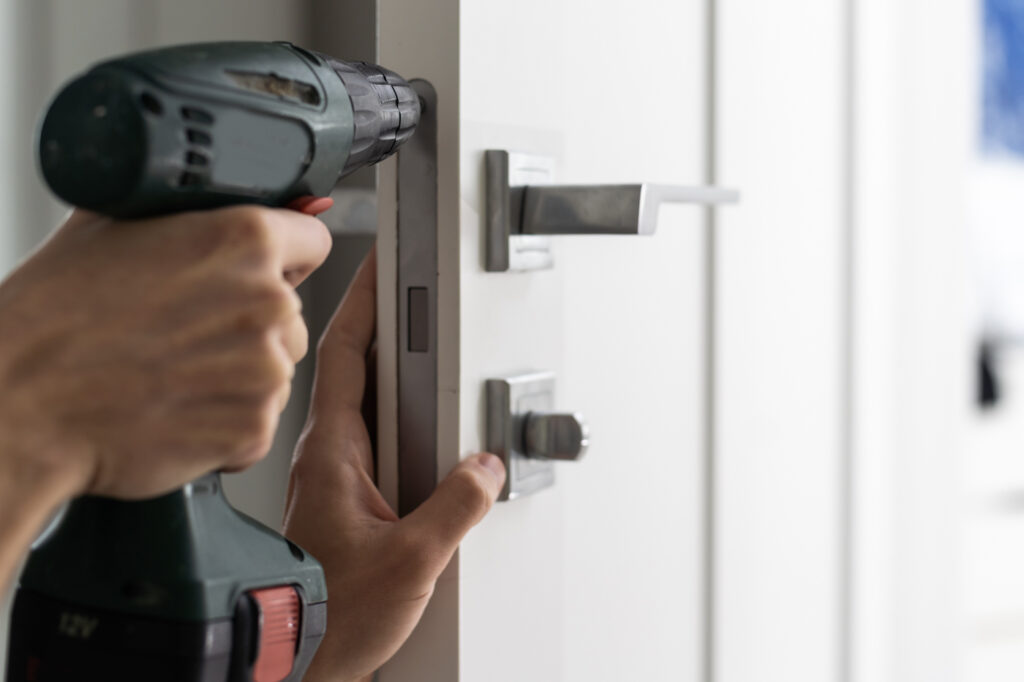
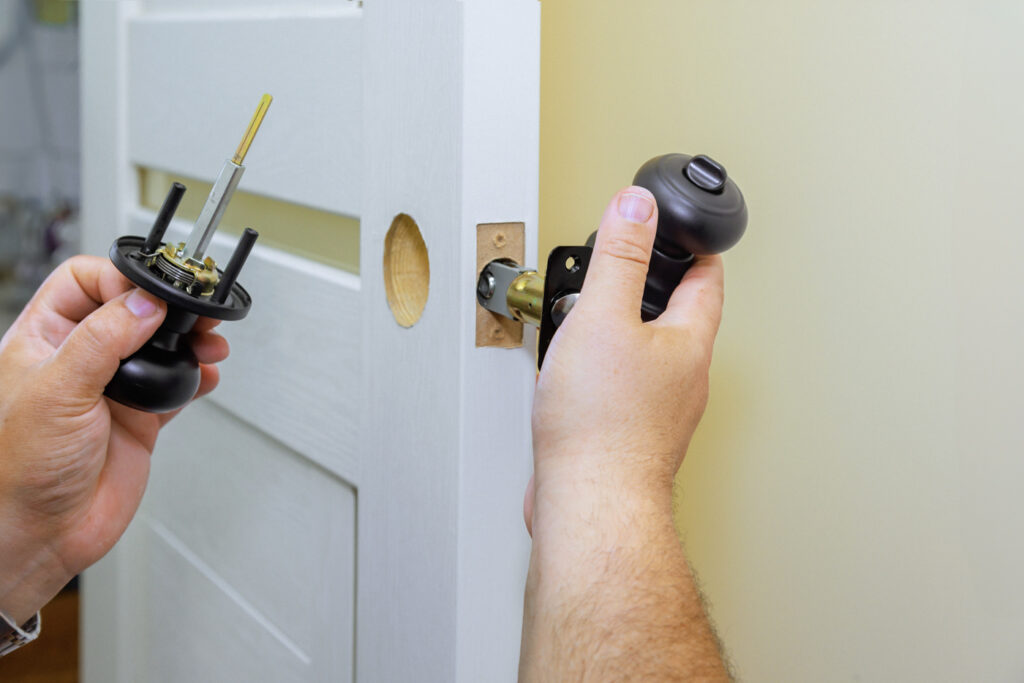
Lock replacement removes the existing hardware and installs new components. This may be the better choice if the lock is sticking, loose, corroded, misaligned or visibly worn, or if you want to upgrade from a basic knob lock to a deadbolt, keypad lock, smart lock or high-security lock.
- Updates both security and appearance
- Lets you switch lock type or security grade
- May solve wear, damage or compatibility problems
- Useful after a break-in or failed repair attempts
| Option | Best for | What stays the same | What changes |
|---|---|---|---|
| Rekeying | Good existing hardware, unknown key copies, move-ins | Lock body and trim | Internal key pins and new keys |
| Changing locks | Worn locks, damage, security upgrades, style changes | Usually nothing beyond the door prep | Entire lockset or deadbolt hardware |
When to Rekey and When to Change Locks After Moving In
If you are deciding whether to change locks after moving or just rekey them, start with risk and condition. The main question is not only who had access before you, but whether the current hardware is worth keeping.
Choose rekeying if the locks are solid
Rekeying is often the right move when the lock works smoothly, the key turns properly, and the deadbolt throws cleanly into the strike. In many GTA homes, especially newer builds or well-kept resale properties, the hardware may still have plenty of service life left.
- You bought a home and want old keys disabled
- The seller, trades or cleaners may still have copies
- The lock is relatively modern and in good condition
- You want one key for multiple entry doors, where compatible
Choose lock replacement if the hardware is compromised
Sometimes the answer in a rekey vs change locks decision is clear: the hardware itself is the problem. Older locks in Ontario homes may show wear from years of use, moisture, freeze-thaw cycles at the threshold, or corrosion from tracked-in road salt near side or garage entry doors.
- The key sticks or needs jiggling
- The deadbolt does not line up well with the strike
- The lock feels loose, rough or unreliable
- You want to add a smart lock or keypad lock
- There are signs of forced entry, tampering or poor past installation
Situations where replacement is usually smarter
A move-in is often the moment homeowners review more than just keys. If the front door is drafty, the threshold is worn, or the frame is out of alignment, replacing or upgrading the lock at the same time may make sense as part of broader door repair and installation work.
This is especially true in older Toronto and Mississauga homes where the lock issue may be tied to door movement, weatherstripping gaps, or hardware that no longer meets your expectations for convenience or curb appeal. If you are planning a broader security refresh, you can also request a free quote through the Edge Home contact page and include photos for faster advice.
What to Check Right After You Get the Keys
After possession day, do a quick access and security review before assuming every door is covered. Many homes have more entry points than owners first think, including side doors, garage access doors, patio sliders and basement walkouts.
Priority checklist for new home security
- Count every keyed exterior door, including garage man doors and back entrances.
- Check whether the front door has a proper deadbolt or only a spring latch.
- Test each lock for smooth operation, alignment and secure latching.
- Ask whether all locks use the same key or several different keys.
- Review patio and sliding doors for working latches and auxiliary security.
- Confirm garage entry doors close tightly and have intact weatherstripping and bottom seal if applicable.
- Test the garage door opener, safety sensors and auto-reverse, especially if the garage connects to the house.
The garage is easy to overlook, but it is part of the home’s access control. If the overhead door is not closing properly, the opener hesitates, or the door is noisy because of worn rollers, tracks, cables or spring issues, it is worth booking garage door repair service alongside your lock work. Springs, including torsion spring and extension spring systems, are under high tension and should only be handled by a trained technician.
Condo owners should also check building rules before changing exterior hardware or adding certain smart devices. In Ontario, access control changes may be straightforward inside your unit, but common-element doors or appearance-related changes can be subject to condo board requirements. For general property and housing information, Ontario residents can review official guidance at Ontario.ca.
What Affects the Cost of Rekeying or Lock Replacement?
The cost difference usually comes down to labour, hardware condition and the type of security you want. Rekeying existing cylinders may cost less when the locks are compatible and in good working order, while full replacement tends to cost more because it includes new hardware and sometimes door adjustments.
Main factors that affect the price
- How many doors need service
- Whether you need rekeying or full lock replacement
- The type of hardware already installed
- Whether you want a standard deadbolt, keypad lock or smart lock
- Condition of the door, frame, strike and threshold
- Urgency, including evenings, weekends or emergency lockout calls
- Whether several locks can be keyed alike or set up under a master key plan
On many move-ins, the lock itself is only part of the job. If the deadbolt does not line up because the door has shifted, or if the frame is worn from years of use, some adjustment work may be needed before new hardware performs properly. That is one reason an on-site assessment is often more useful than guessing from product photos alone.
When rekeying is usually the better value
Rekeying locks often makes the most financial sense when the hardware is decent quality, turns smoothly and matches the security level you want. It can also be practical for landlords between tenants, provided the lock bodies are still sound and local tenancy rules are followed.
When replacement may save money later
If the lock is already failing, paying to rekey it may only delay a bigger problem. Replacing a loose or unreliable deadbolt at move-in may help you avoid future service calls, reduce daily frustration and improve new home security right away.
| Situation | Likely better option | Why |
|---|---|---|
| Locks work well, but old key copies may exist | Rekeying | Keeps usable hardware and resets access |
| Locks are worn, sticking or outdated | Replacement | Addresses function and security together |
| You want keypad or smart access | Replacement | New hardware is usually required |
| Several doors need one matching key | Rekeying or replacement | Depends on lock compatibility and condition |
How the Service Process Usually Works
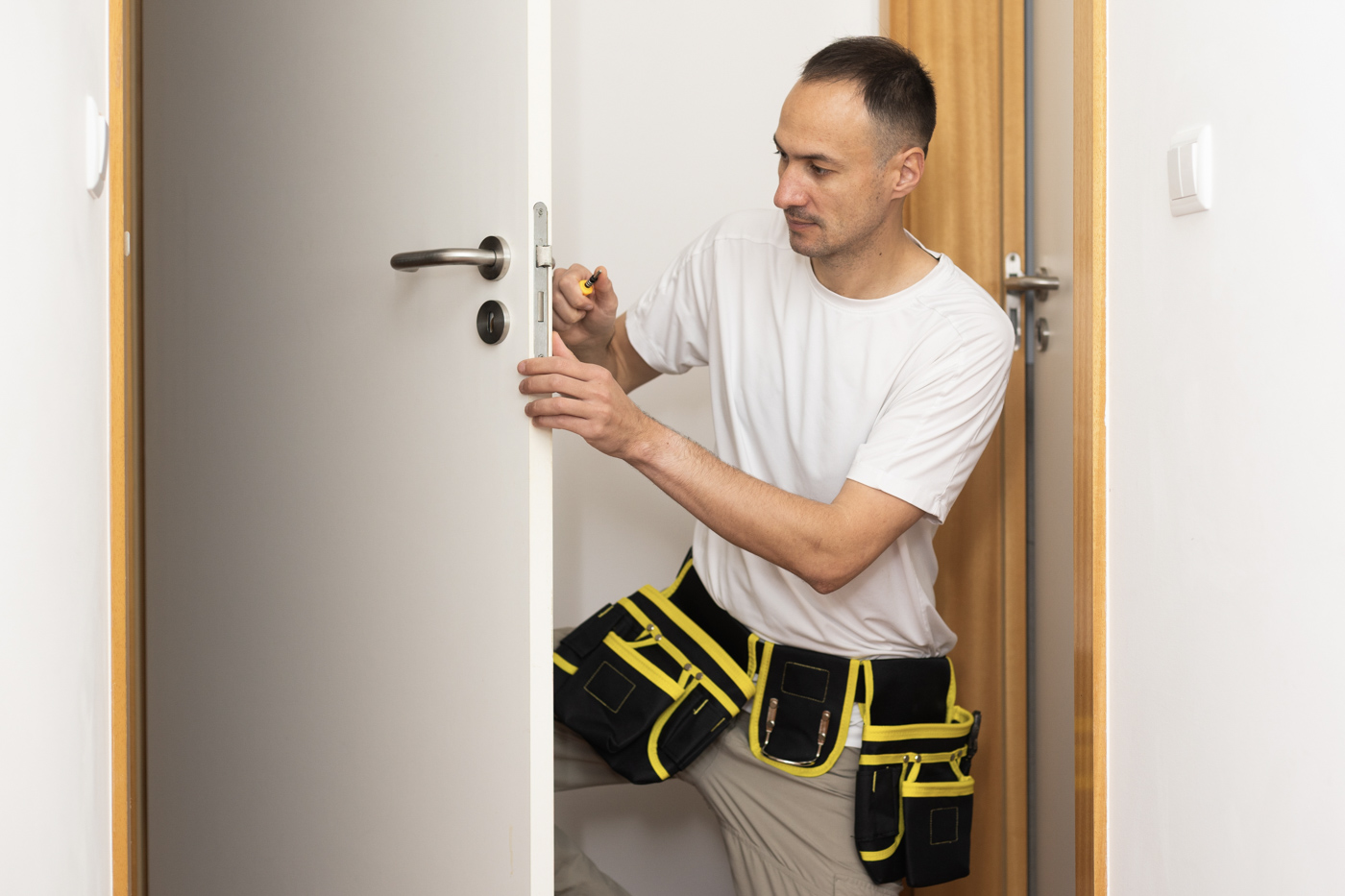
Most move-in lock work follows a simple process: assessment, recommendation, approval, service and final testing. The best result comes from checking not just the cylinder, but also door fit, latch alignment and how the hardware performs under normal daily use.
From estimate to final check
- Review the property’s entry points and note how many locks are involved.
- Inspect each lock, deadbolt and strike for wear, alignment and compatibility.
- Recommend rekeying, replacement or a mix of both.
- Confirm keying preferences, such as separate keys, keyed alike or a master key setup for a small rental or business.
- Complete the work and test every lock from inside and outside.
- Check that doors latch properly without forcing the key or handle.
For some homes in Toronto, Vaughan or Markham, the locksmith visit overlaps with other move-in priorities. If the front or side entry is drafty, the frame is out of square, or the weatherstripping is torn, it may be worth combining the lock work with general home improvement services or a broader entry-door assessment.
Why the door condition matters as much as the lock
A good lock cannot do its job if the door itself is the weak point. Swelling from humidity, seasonal movement, worn hinges and damaged thresholds can all affect how a deadbolt throws. In older Ontario homes, you may also find gaps that affect energy efficiency and comfort, especially around side doors or basement entries.
If you are planning a larger exterior upgrade, it can make sense to review lock security together with window repair and replacement options. Drafts, failed sealed unit glass, aging caulking and older double-pane or triple-pane assemblies may all be part of the same move-in improvement plan.
DIY Mistakes, Safety Issues and When to Call a Professional
The most common DIY mistake is focusing only on the key and ignoring the door alignment, strike placement and hardware compatibility. Another is buying replacement locks without confirming backset, bore size, handing or whether the existing prep supports the new hardware.
Common problems with do-it-yourself lock changes
- Installing a lock that does not fit the existing door prep
- Misaligning the latch or deadbolt so the door binds
- Overtightening screws and affecting lock operation
- Leaving the strike weak or poorly anchored
- Mixing old and new hardware that does not work together properly
A professional should also be called if there are signs of forced entry, cracked wood around the lock, a metal door with damaged prep, or a need for a smart lock integrated with existing access habits. After a break-in or attempted entry, the issue may involve the frame, hinges and door slab, not just the cylinder.
Do not overlook the garage entry door
Many households focus on the front door and forget the door between the garage and the home. If that opening has a weak lock, worn weatherstripping or frame damage, it deserves the same attention. Where the garage door itself is unreliable, a full property check may also include the opener, safety sensors, auto-reverse, rollers, tracks, cables and spring system.
If you are moving into a property with an older overhead door, unusual noise or winter closing issues, it is smart to have a technician inspect it rather than waiting for a failure. Torsion spring and extension spring systems are under high tension and should not be adjusted as a DIY project. Related issues can be assessed through Edge Home service options during a broader move-in visit.
Making the Right Choice for Your Move-In
For most properties, the rekey vs change locks decision comes down to three things: who may still have access, whether the existing hardware is worth keeping and whether you want a basic reset or a real upgrade. If the locks are solid, rekeying is often the efficient answer. If they are worn, outdated or no longer fit your needs, replacement is usually the smarter long-term move.
The best time to deal with it is early, before spare keys circulate, small problems become bigger ones, or winter wear exposes weak hardware. If you are still weighing rekey vs change locks, Edge Home can inspect the doors, locks and related entry issues and give you a clear recommendation. We provide free estimates for locksmith, garage door, doors and windows, and home improvement work across the GTA. You can also send photos of the lock, door or surrounding frame for a quick quote.
Frequently Asked Questions
Is it cheaper to rekey vs change locks after moving in?
Rekeying is typically cheaper than changing locks when the existing hardware is in good condition. The price depends on how many cylinders need service, whether locks are compatible, and if any door alignment or strike issues must be corrected. Full lock replacement adds the cost of new hardware.
How soon should I change locks after moving into a Toronto or GTA home?
You should address the locks as soon as practical after taking possession. Even if the seller is trustworthy, you may not know how many keys were given to relatives, trades, cleaners or tenants. A locksmith can inspect the doors and recommend rekeying, replacement or a mix of both.
When is lock replacement better than rekeying locks?
Lock replacement is usually better when the hardware is worn, sticking, loose, corroded, damaged or outdated. It is also the better route if you want to upgrade to a keypad lock, smart lock, high-security deadbolt or a different finish. Rekeying only changes key access, not hardware condition.
How long does rekeying locks or installing new locks usually take?
The timeline varies by the number of doors, lock type and door condition. A simple rekey on working hardware is typically faster than full replacement, while smart locks, misaligned deadbolts or damaged frames can take longer. Edge Home can provide a free estimate from photos or an on-site visit.
Are smart locks better than regular deadbolts for new home security?
Smart locks can be a good upgrade if you want keypad entry, app control or easier access management, but they still need a solid door, proper deadbolt alignment and secure installation. A quality traditional deadbolt may be enough for some homes, depending on your security needs and daily access habits.
Should landlords rekey or change locks after tenant turnover in Ontario?
Landlords should usually reset access after tenant turnover, either by rekeying sound locks or replacing worn hardware. The right choice depends on lock condition, key control needs and any applicable tenancy or condo rules. For multi-unit or small commercial properties, keyed-alike or master key options may also be worth discussing.