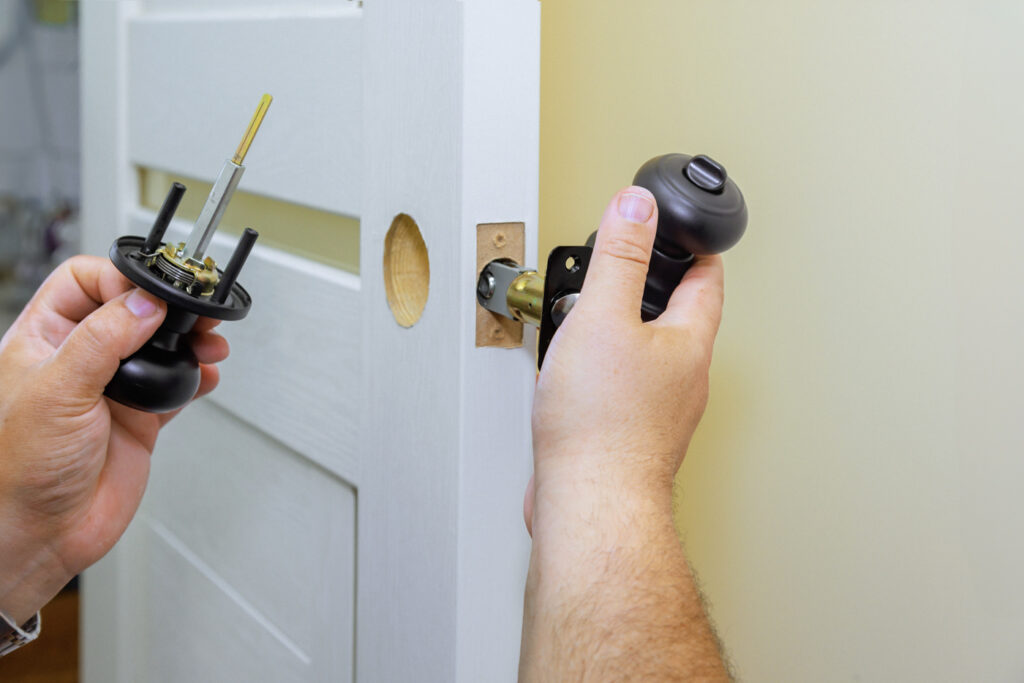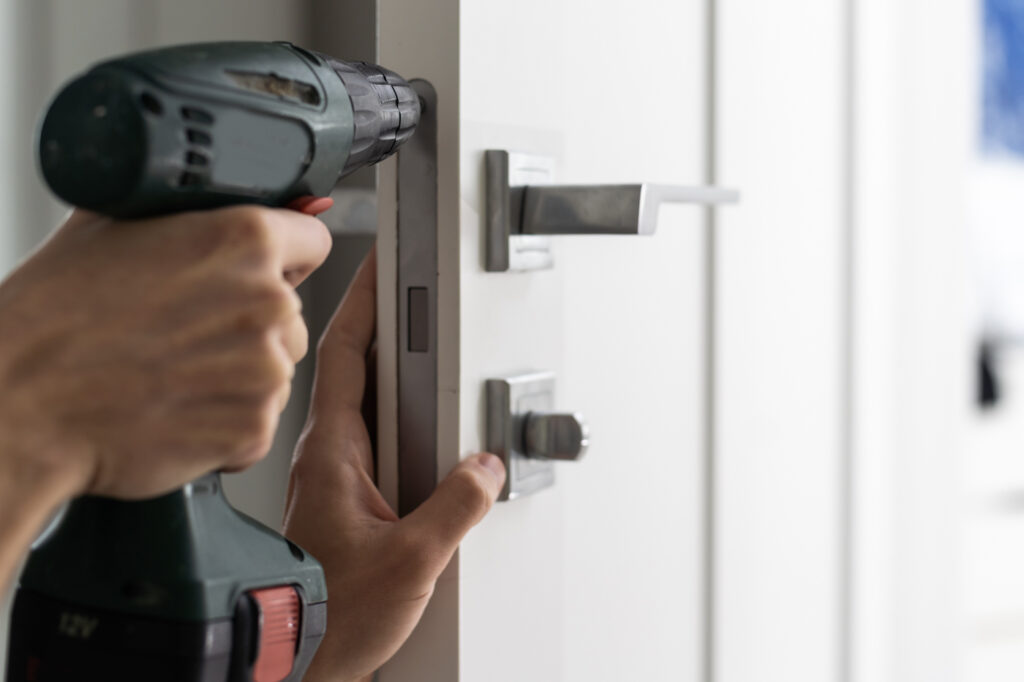
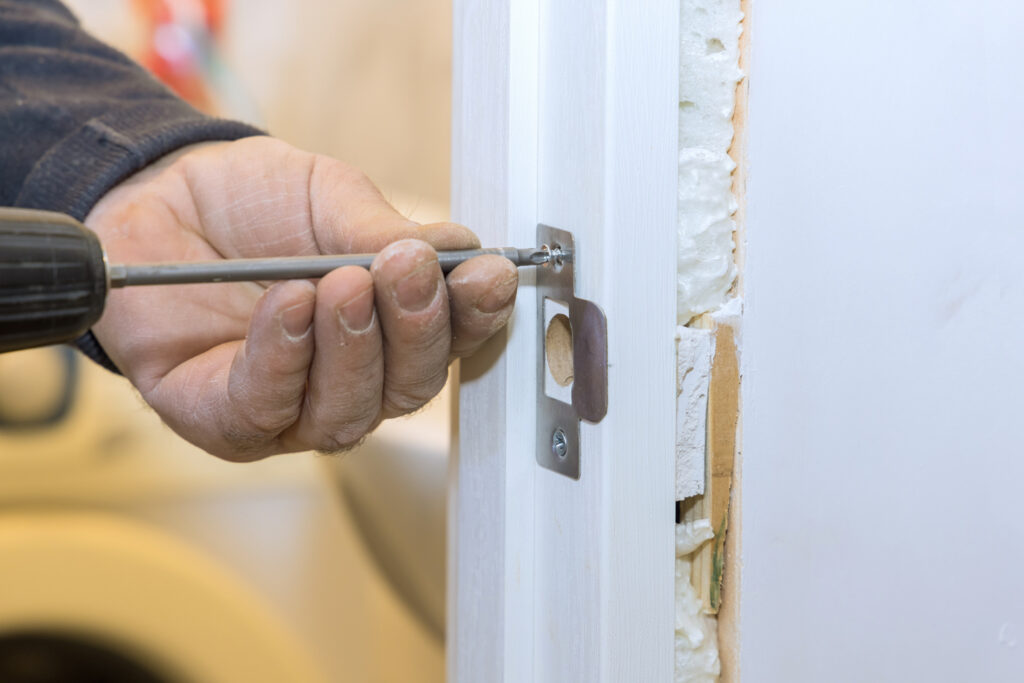
Choosing between fiberglass, steel and wood comes down to climate, maintenance, security and budget. In this fiberglass vs steel door guide, you’ll see how each entry door material performs in Ontario weather, what affects energy efficiency and curb appeal, and when a repair makes sense versus a full replacement for a front entry.
For most Ontario homes, the best choice in a fiberglass vs steel door comparison is usually fiberglass for lower maintenance and better resistance to dents, or steel for strong security and a lower upfront cost. A wood front door can still be the right fit if appearance matters most and you’re prepared for regular upkeep in a climate with cold snaps, moisture and freeze-thaw cycles.
Your front door does more than close an opening. It affects heat loss, drafts at the threshold, lock performance, weatherstripping life, and how the home looks from the street. In older Toronto, Mississauga and Markham homes, the condition of the frame, sill and caulking often matters just as much as the slab material itself.
Fiberglass vs steel door: which material is better for Ontario homes?
Fiberglass and steel are both practical modern entry door materials, but they solve different problems. Fiberglass is often chosen for durability and lower maintenance, while steel entry door systems are often chosen for security, simple styling and value. Wood remains a premium appearance option, but it needs more care through seasonal weather changes.
| Material | Best for | Watch for | Maintenance level |
|---|---|---|---|
| Fiberglass | Energy efficiency, low upkeep, resisting dents and moisture | Quality varies by product and installation | Low |
| Steel | Security, value, clean modern look | Dents, scratches and possible rust if finish is damaged | Low to moderate |
| Wood | Curb appeal, traditional character, custom appearance | Swelling, shrinking, warping and finish wear | High |
Fiberglass entry doors
Fiberglass doors are built to handle moisture and temperature swings better than many wood doors. They may be a strong fit for homeowners looking for the best front door for winter because they typically insulate well, hold paint or stain finishes nicely, and are less likely to dent from day-to-day use.
They are also a practical option when the entry gets direct sun, wind-driven rain or snow buildup near the threshold. If the goal is lower maintenance without giving up the look of a traditional entrance, fiberglass is often where homeowners start.
Steel entry doors
A steel entry door is usually one of the most budget-conscious ways to improve security and refresh a tired front entrance. Steel can be a good choice for detached homes, rental properties and side entries where durability and a solid feel matter more than a natural wood appearance.
That said, steel is not maintenance-free. Scratches should be addressed before moisture and road salt exposure lead to corrosion, especially near the bottom edge, sill and weatherstripping line. In busy households, dents from impacts may also be more noticeable than on fiberglass.
Wood front doors
A wood front door offers warmth, depth and character that many homeowners still prefer, especially on older homes in neighbourhoods with heritage-style details. It can be repaired and refinished in some cases, which appeals to owners trying to preserve the original look of the property.
The trade-off is upkeep. Wood responds to humidity and temperature swings, so it may swell in wet weather, stick in the frame, or develop finish wear that leads to moisture damage. In Ontario, regular sealing, painting or staining is usually part of ownership.
How each material performs in winter, moisture and daily use
The best front door for winter is not only about the slab material. Real cold-weather performance depends on the full door system: frame condition, insulated core, glass inserts, threshold fit, weatherstripping, bottom seal and proper installation. Even a good door can feel drafty if the opening is out of square or the caulking has failed.
Energy efficiency and drafts
Fiberglass and steel doors commonly come with insulated cores, which may help reduce heat loss compared with many older wood doors. If your current entry has sidelights or decorative glass, the glass package matters too. Double-pane or triple-pane glass and Low-E coatings may improve comfort, depending on the product and installation.
Homeowners often blame the slab when the real issue is elsewhere. Common draft points include:
- Worn weatherstripping around the jamb
- A compressed or cracked bottom seal
- Gaps at the threshold
- Failed caulking between frame and wall
- Frame movement in older homes
If your door is otherwise sound, a repair may solve the problem without full replacement. Edge Home handles door repair and replacement services, including alignment, hardware issues and sealing problems. If you are unsure what is causing the draft, you can also send photos for a free quote before booking an on-site visit.
Moisture, salt and wear at the entry
Ontario entrances deal with slush, wet boots and freeze-thaw cycles for months at a time. That makes the lower part of the system especially important: threshold, sill pan, bottom edge, weatherstripping and finish condition. Steel may be vulnerable if coating damage is left exposed, while wood may absorb moisture if the finish breaks down.
Fiberglass generally handles moisture well, which is one reason it comes up so often in a fiberglass vs steel door discussion. Still, proper installation matters. If the frame is not sealed correctly, water can still reach surrounding materials and lead to rot, staining or interior drafts.
Security and hardware compatibility
Security depends on more than the door skin. The frame, strike area, hinges, deadbolt installation and latch alignment all play a role. A well-installed steel or fiberglass door with quality hardware will usually outperform an older wood unit with a weak frame or loose lockset.
When planning a front entry upgrade, many owners also review lock options at the same time, such as a smart lock, keypad lock or high-security lock. For homeowners moving into a new property or updating access after tenant turnover, professional locksmith services can be coordinated with the door work so the full entry functions properly from day one.
For general guidance on home energy efficiency in Canada, homeowners can review resources from Canada.ca. And if your project involves more than a simple swap, such as enlarging an opening or related structural work, it is worth checking local permit requirements before work begins.
What affects cost, upkeep and long-term value
In a fiberglass vs steel door decision, price is only one part of the total value. The installed cost may vary based on size, glazing, sidelights, transoms, frame condition, lockset choice, threshold work and whether the existing opening needs repair. A lower upfront price may not stay lower if the door needs more frequent touch-ups or earlier replacement.
Main cost factors
- Door material and insulation level
- Glass inserts and decorative options
- New frame, jamb or threshold work
- Lock hardware, deadbolt and smart lock compatibility
- Weatherstripping, caulking and finishing requirements
- Condition of the existing opening and trim
If you are comparing options for a front entry in Toronto, Vaughan, Brampton or Richmond Hill, it helps to get an on-site assessment rather than relying on a generic online price. You can also review Edge Home’s service options to see whether a repair, upgrade or full replacement is the better fit for your property.
Repair or replace: how to decide
If the slab is solid, the frame is stable and the problem is limited to hardware, seals or alignment, repair may still make sense. Replacement is usually the better option when there is rot, major warping, repeated draft problems, water damage around the opening or a security issue that cannot be corrected with hardware alone.
Problems that are often repairable
- Worn weatherstripping or a damaged bottom seal
- Loose hinges, latch misalignment or sticking at the threshold
- Minor frame adjustment or strike plate issues
- Lock changes, rekeying or deadbolt upgrades after a move
- Glass replacement where the insulated insert or sealed unit has failed
These issues may show up on any of the main entry door materials. A steel entry door with surface scratches, for example, may still have years of service left if corrosion has not spread and the frame remains sound.
Signs replacement is usually the better investment
- Soft or rotted wood around the jamb or sill
- Cracks, separation or repeated swelling that affects operation
- Visible daylight around the frame that adjustment cannot correct
- Water intrusion into interior trim or flooring
- Outdated size, poor security layout or major curb appeal concerns
In older homes across Toronto, Vaughan and Mississauga, the opening itself may be the real issue. If the frame has shifted over time, replacing only the slab may not solve sticking, drafts or lock alignment problems for long.
When a wood door is worth saving
A wood front door may be worth repairing if the structure is still solid and the homeowner wants to preserve the original style. Refinishing, weatherstripping updates and hardware correction can sometimes extend service life, but only if moisture damage is still limited.
What the installation process usually involves
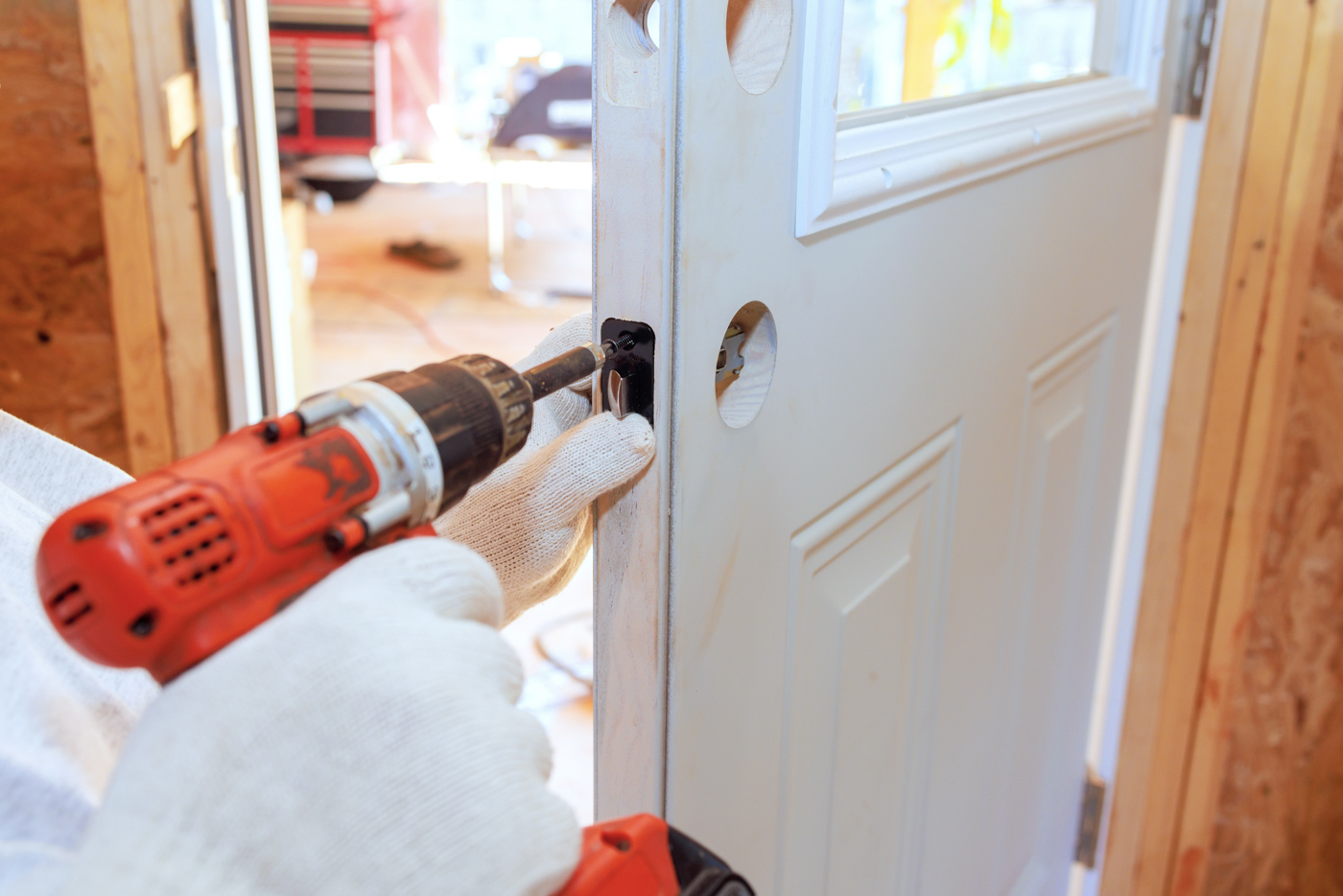
A proper front door replacement is more than removing one slab and hanging another. The best results come from measuring the opening carefully, checking the frame and threshold, selecting the right hardware layout, sealing the perimeter and testing operation before the crew leaves.
Typical steps from estimate to final check
- Assessment: measurements, frame condition, swing direction, threshold height and lock location are reviewed.
- Recommendation: repair versus replacement is explained based on wear, energy efficiency and security needs.
- Product selection: material, glass, finish and hardware are chosen to suit the property and budget.
- Removal and prep: the old unit is removed, and the opening is checked for damage, movement or moisture issues.
- Installation: the new system is levelled, shimmed, secured and sealed with proper caulking.
- Adjustment: latch fit, deadbolt throw, sweep contact and weatherstripping compression are fine-tuned.
- Final inspection: operation, locking, exterior sealing and interior finish details are checked.
If you are planning a front entry update along with other exterior work, Edge Home also handles related home improvement services that may affect the finished look around the opening.
Why accurate measuring matters
Many problems blamed on the door material actually come from poor fit. In a fiberglass vs steel door comparison, both options can underperform if the reveal is uneven, the threshold is not supported properly or the weatherstripping is compressed too much on one side and too little on the other.
Homes in Brampton, Markham and Richmond Hill often have settled porches, older trim details or patched openings from previous renovations. That is why a site inspection is usually more useful than ordering by rough size alone.
Common mistakes homeowners make
The biggest mistake is focusing only on the slab and ignoring the full entry system. Material matters, but long-term performance also depends on installation quality, lock setup, drainage, sealing and routine maintenance through Ontario weather.
DIY issues that often lead to callbacks
- Replacing weatherstripping with the wrong profile
- Painting over damaged areas without treating rust or rot first
- Adjusting hinges repeatedly instead of correcting frame alignment
- Using short screws in strike plates where better reinforcement is needed
- Skipping exterior caulking repairs around the brickmould
Lock work also gets underestimated. A new slab or frame may change backset alignment, deadbolt fit and latch engagement. If you are upgrading access at the same time, a technician can coordinate the door with a smart lock or deadbolt installation, or advise whether rekeying is enough after a move-in.
Maintenance that helps any entry last longer
- Inspect the bottom edge and threshold each spring and fall
- Clean debris and salt from the sill area
- Check caulking for gaps after freeze-thaw cycles
- Lubricate hinges and confirm smooth latch operation
- Touch up scratches or finish wear before moisture gets in
These small checks matter whether you choose steel, fiberglass or wood. They also support better energy efficiency by keeping seals intact and reducing air leakage around the frame.
When to call a professional
Call for service if the door scrapes badly, the deadbolt no longer lines up, water is getting inside, the frame feels soft, or the opening appears out of square. If you are comparing styles and repairs at the same time, Edge Home’s Toronto-area door service team can assess the condition on site and explain the trade-offs clearly.
Choosing the right material for your priorities
There is no single best answer for every property. In practical terms, the fiberglass vs steel door choice usually comes down to whether you value lower upkeep and dent resistance more, or prefer a simpler lower-cost security upgrade. Wood still suits homes where character and custom appearance are the priority.
For many Ontario households, fiberglass is a strong all-round option. A steel entry door may be the right fit for side entrances, rental properties or owners who want a straightforward upgrade without moving into a higher material cost range.
If your goal is to improve comfort, appearance and security at the same time, the best front door decision starts with the condition of the whole opening, not just the panel. Edge Home provides free estimates for doors and windows, locksmith work, garage doors and general home improvement across the GTA. If you are weighing a fiberglass vs steel door, send photos of your current entry, frame or lock hardware for a quick quote, or book an on-site assessment to find the right repair or replacement plan.
Frequently Asked Questions
What affects the cost of a fiberglass vs steel door replacement in Toronto?
The cost depends on the door material, size, glass, frame condition, threshold work, hardware and installation details. A simple steel entry door may cost less upfront than fiberglass, but repairs to the opening, sidelights, smart locks or custom finishes can change the total. Edge Home can provide a free estimate from photos or on site.
Is fiberglass or steel better for a front door in Ontario winter?
Fiberglass is often a strong choice for Ontario winter because it resists moisture, dents and temperature swings well. Steel can also perform well when properly insulated and installed. The best front door for winter depends on the full system, including weatherstripping, glass, threshold fit, caulking and frame condition.
When should I replace my entry door instead of repairing it?
Replacement is usually the better option when there is rot, major warping, water intrusion, repeated drafts or a security problem that hardware cannot fix. Repairs may still make sense for worn weatherstripping, latch alignment, hinges, minor sealing issues or lock upgrades if the slab and frame are still sound.
Why is my front door drafty even after I changed the weatherstripping?
A draft can continue if the issue is the frame, threshold, caulking, bottom seal or an out-of-square opening. Homeowners often blame the door slab, but air leaks usually come from gaps around the full entry system. A professional assessment can confirm whether sealing, adjustment or replacement is needed.
Is a wood front door a good idea for homes in the GTA?
A wood front door can be a good choice if curb appeal, character and a traditional look are the top priorities. In the GTA climate, wood needs more upkeep because humidity, cold snaps and freeze-thaw cycles may cause swelling, sticking, warping or finish wear. Regular sealing, painting or staining is typically required.
Can I install a smart lock or high-security lock when replacing a steel entry door?
Yes, smart locks, keypad locks, high-security locks and upgraded deadbolts can often be planned with a new steel entry door or fiberglass door. The important details are backset, latch alignment, deadbolt throw, strike reinforcement and frame condition. Edge Home can coordinate locksmith work with door repair or replacement when needed.