Basement window replacement can improve comfort, energy efficiency, security and safety in Ontario homes, especially where older frames leak air, collect condensation or no longer open properly. This guide explains when replacement makes sense, how an egress window differs from a standard basement window, what affects basement window cost, and what to expect from basement window installation in the GTA.
Basement window replacement is often the right solution when an older basement window is drafty, rotting, fogged between panes, difficult to open or no longer suitable for safety needs. In Ontario, the best approach depends on the size of the opening, the condition of the frame and surrounding wall, and whether you need a simple like-for-like upgrade or a code-conscious egress window conversion.
For many homes in Toronto, Mississauga, Brampton and nearby GTA communities, basement windows take a lot of abuse from moisture, freeze-thaw cycles, road salt and shifting foundations. A proper on-site assessment helps determine whether a repair, glass replacement or full basement window replacement will give the better long-term result.
When basement window replacement makes sense
Basement window replacement means removing an existing basement window and installing a new unit that suits the opening, the condition of the wall and the use of the space. It may involve replacing only the window within the same rough opening, or larger work if the opening must be resized for ventilation, safety or finishing plans.
Common signs your basement windows are due for replacement
- Cold drafts around the frame, sash or threshold area
- Condensation between panes in an older sealed unit
- Visible rot, rust, cracked frames or water staining
- Windows that stick, will not latch or no longer open safely
- Persistent moisture issues despite fresh caulking
- Noticeable heat loss affecting basement comfort and energy efficiency
- Outdated single-pane units in a finished or frequently used basement
Some issues can be repaired, especially if the frame is sound and the problem is limited to hardware, minor leaks, weatherstripping or a failed sealed unit. But when the frame has deteriorated, the opening has shifted, or the window was never well suited to basement conditions, replacement is often the more practical option.
Repair or replace?
Homeowners often ask whether a basement window can simply be repaired. The answer depends on how much of the assembly is still in good condition and whether the window still meets the needs of the space.
| Situation | Repair may be enough | Replacement is often better |
|---|---|---|
| Minor air leaks | New caulking or weatherstripping | If frame is warped or damaged |
| Glass problem | Sealed unit replacement | If frame is old, corroded or inefficient |
| Operation issues | Hardware or alignment adjustment | If sash no longer functions reliably |
| Safety upgrade | Rarely | If an egress-sized opening is needed |
If you are already addressing drafts, foggy glass or water entry elsewhere in the home, it may help to review broader window repair and replacement services rather than looking at the basement in isolation.
Egress window vs. standard basement window
An egress window is a basement window intended to provide an emergency exit route where required by the layout and use of the space. A standard basement window may provide light and ventilation, but it is not automatically large enough or configured properly for emergency escape. Requirements can vary by project and municipality, so local review matters.
Why egress matters in finished basements
If a basement includes a bedroom or is being renovated into more active living space, an egress window may be part of the planning discussion. This is not just about comfort or resale; it can affect safety, layout decisions and whether the existing opening is suitable for the intended use.
In many Ontario homes, especially older properties in Toronto and Markham, the original basement windows were small hopper-style units installed mainly for light and basic ventilation. A hopper window can still be a practical option in some utility areas, but it may not work where a larger, more accessible opening is needed.
Will enlarging the opening require permits?
It may. If basement window installation involves enlarging the wall opening, cutting foundation material or changing structural elements, permits and inspections may be required depending on the municipality and scope. For Toronto projects, official permit guidance is available from the City of Toronto.
Condo townhomes and some managed properties may also have exterior alteration rules. Before planning a larger window well or a different window style, it is worth checking municipal and property-specific requirements.
What affects basement window cost in Ontario
Basement window cost varies by product, opening size, glass type, access conditions and whether the work is a direct replacement or a more involved modification. In Ontario, labour and material needs can differ quite a bit between a simple swap in a finished wall and a project that includes masonry, waterproofing or resizing the opening.
Main cost factors
- Existing window size and condition of the frame and surrounding wall
- Like-for-like replacement versus enlarged opening
- Window style, such as slider, casement or hopper window
- Glass package, including double-pane/triple-pane glass or Low-E options
- Need for new trim, insulation, caulking or weatherstripping
- Window well condition, drainage concerns and exterior access
- Whether interior finishing must be removed and restored
Why the lowest quote is not always the best value
A low estimate may not include the full scope needed for a durable result. Basement openings can hide moisture damage, failed sealant, insulation gaps or deteriorated framing that only becomes clear during assessment. A proper quote should reflect the actual condition of the opening, not just the visible glass and frame.
That is especially true if the basement already has other comfort or moisture issues. Drafts around older windows may be tied to broader air-sealing problems, similar to what Edge Home addresses through home improvement and repair work and related property upgrade services.
If you are budgeting for basement window replacement in 2026, the most accurate next step is a site visit or a photo-based review. You can also request a free estimate and send photos of the existing window, interior wall and exterior well to get clearer guidance on likely scope before booking the work.
What to expect during basement window installation
Basement window installation usually starts with measuring the existing opening, checking the frame and surrounding wall, and confirming whether the job is a direct replacement or part of a larger upgrade. The goal is a weather-tight fit, smooth operation and clean finishing inside and out.
Typical steps from estimate to final check
- Assessment and measurements: The technician checks the opening size, frame condition, sill slope, signs of water entry and the condition of the window well if there is one.
- Product selection: Window style, glass type and ventilation needs are reviewed based on how the basement is used.
- Removal of the old unit: The existing frame, sash and damaged trim or sealant are removed carefully to avoid unnecessary damage to the surrounding wall.
- Opening preparation: Minor repairs, insulation updates, caulking removal and levelling may be needed before the new unit goes in.
- Installation and sealing: The new window is set, secured, insulated and sealed to help reduce drafts and moisture problems.
- Final testing: Operation, locking, drainage path and finish details are checked before the site is cleaned up.
In older homes in Toronto, Vaughan and Richmond Hill, the hidden part of the job often matters as much as the visible part. A neat-looking window will not perform well if the opening has moisture damage, poor insulation or failed exterior caulking around the perimeter.
Choosing the right style for the space
Not every basement needs the same type of window. The best choice depends on ventilation, ease of use, available opening size and whether the area is unfinished storage, a laundry room or finished living space.
| Window type | Often suited for | Things to consider |
|---|---|---|
| Slider | Wider openings and everyday ventilation | May be practical where height is limited |
| Casement | Finished spaces needing a larger clear opening | Requires enough clearance to open fully |
| Awning | Ventilation where light rain protection helps | Not ideal for every well or access condition |
| Fixed | Light only, no ventilation needed | Not suitable where an operable window is required |
Glass options also affect comfort. Double-pane/triple-pane glass, Low-E coatings and a quality sealed unit may improve energy efficiency, especially in basements that feel cold in winter or damp in spring. If the rest of the home shows similar issues, broader door and window service planning may make more sense than treating one opening at a time.
Common mistakes, safety concerns and when to call a professional
Basement windows look simple, but the surrounding wall, drainage and insulation details can be unforgiving. DIY work may seem cheaper at first, yet poor fitting, weak sealing or the wrong window choice can lead to drafts, leaks, rot or a unit that does not open properly when needed.
Frequent problems seen after rushed or DIY work
- Incorrect measurements that leave gaps or force the frame out of square
- Too much reliance on surface caulking instead of proper opening preparation
- Ignoring soft framing, rusted fasteners or cracked masonry around the opening
- Blocking drainage in the window well or overlooking grading issues outside
- Choosing a style that is hard to operate in a tight basement layout
- Skipping insulation around the frame, leading to condensation and cold spots
Safety also matters if the basement is used regularly. A window that sticks, binds or cannot stay open reliably is not just inconvenient. It may reduce ventilation, increase moisture buildup and create problems if quick exit is ever needed.
Signs you should book a professional assessment
You should call a professional when the issue goes beyond glass alone, when water is getting in, or when the wall opening may have shifted. A trained installer can tell whether the problem is the window itself, the surrounding structure or both.
- Recurring condensation or mildew around the frame
- Water staining beneath the sill after rain or snow melt
- Cracked interior trim or separation at the corners
- Rust, rot or visible deterioration in the existing frame
- A basement renovation plan that changes how the room will be used
For homeowners comparing options in Mississauga or Brampton, it may help to start with a broader review of window repair and replacement services so the basement window is assessed as part of the home’s overall envelope, not as a standalone item.
Maintenance tips for Ontario basements
Good maintenance will not stop every future issue, but it may help your new window last longer and perform better through Ontario weather. Basement-level openings deal with snow buildup, splashback, damp soil and freeze-thaw stress more than many main-floor windows do.
Simple upkeep that makes a difference
- Keep the window well clear of leaves, ice and debris
- Check caulking for cracks or separation each spring and fall
- Make sure the window opens, closes and locks smoothly
- Watch for pooling water near the foundation after heavy rain
- Clean tracks and hardware so dirt does not affect operation
- Inspect interior finishes for early signs of staining or condensation
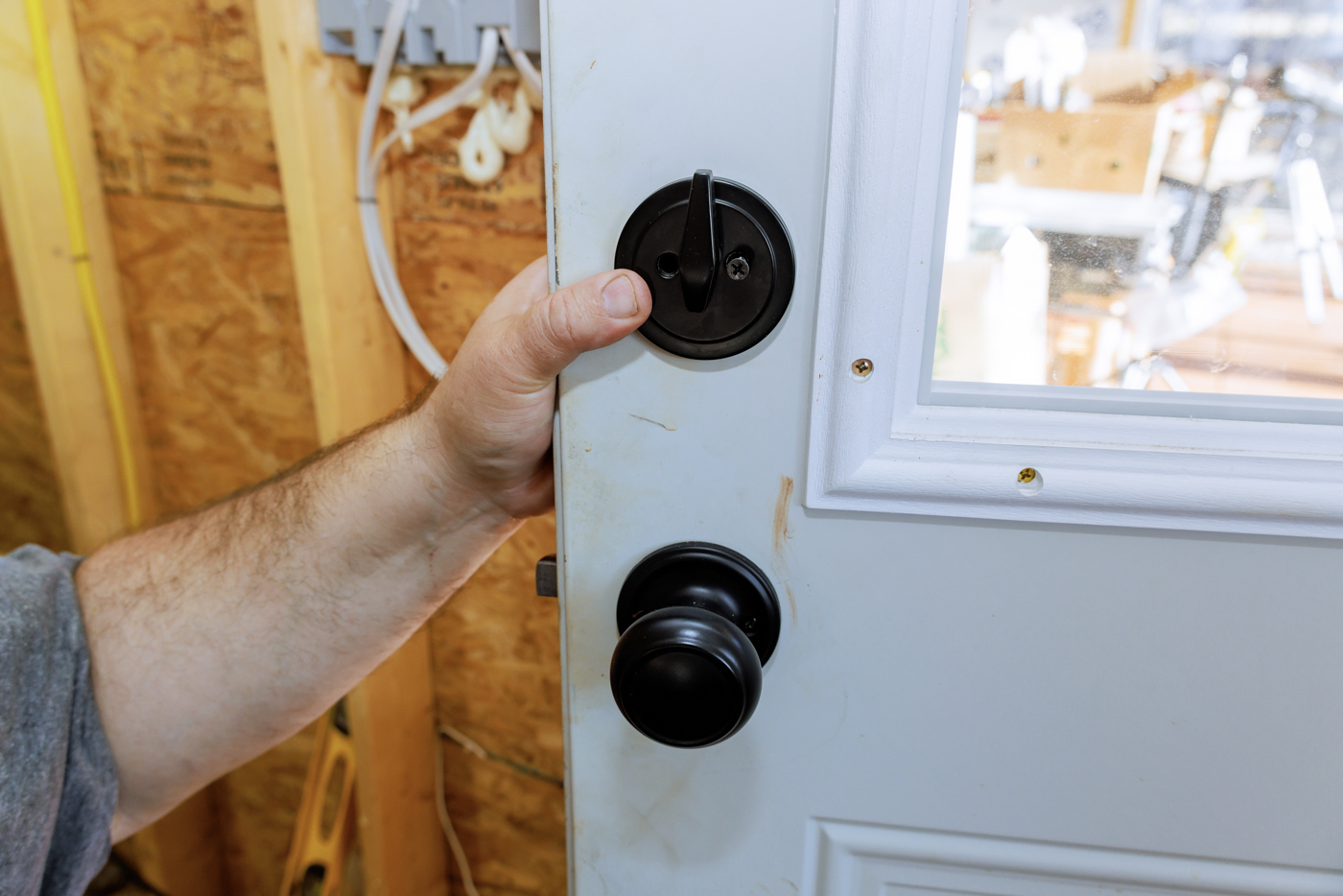
If your basement has older locks on exterior access doors nearby, or you are improving security after a move or tenant turnover, Edge Home can also help with related residential locksmith services such as rekeying, deadbolt upgrades, smart lock or keypad lock installation, and high-security lock options.
Final thoughts on planning the right upgrade
Basement window replacement is not just about changing old glass. The right result depends on accurate measurements, careful installation, proper sealing and an honest look at the surrounding wall, drainage and insulation. In many Ontario homes, especially older properties across Toronto, Mississauga, Brampton and Markham, a well-planned upgrade may improve comfort, reduce drafts and help protect the basement from recurring moisture issues.
If you are considering basement window replacement, Edge Home can assess whether repair, a like-for-like replacement or a more involved upgrade makes the most sense for your property. We provide free estimates for doors and windows, garage doors, locksmith work and general home improvement across the GTA. You can also send photos of the existing window, frame and exterior well for quicker guidance on likely scope and next steps.
Frequently Asked Questions
How much does basement window replacement cost in Ontario in 2026?
Basement window cost varies by window size, style, glass type, access and whether the opening is being changed. A simple like-for-like replacement typically costs less than a project involving masonry, a new well, waterproofing or interior finishing. Photos or an on-site review help confirm the real scope.
Do I need an egress window for a basement bedroom in Ontario?
An egress window may be required when a basement is used as a bedroom or converted into active living space. Requirements can depend on the layout, municipality and project scope. If the opening needs to be enlarged or foundation material cut, check local permit rules and get a professional assessment.
Can a drafty or foggy basement window be repaired instead of replaced?
A drafty or foggy basement window can sometimes be repaired if the frame is sound and the issue is limited to caulking, weatherstripping, hardware or a failed sealed unit. Replacement is usually more practical when frames are rotten, rusted, warped, leaking repeatedly or no longer operate safely.
What type of basement window is best: hopper window, slider, casement or fixed?
The best basement window style depends on ventilation, opening size, clearance and how the room is used. A hopper window can work well in utility areas, sliders suit some wider openings, casements may provide a larger clear opening, and fixed units are for light only where ventilation is not needed.
How long does basement window installation usually take in the GTA?
Basement window installation time varies by the condition of the opening and whether the job is a direct replacement or a larger upgrade. Straightforward replacements may be quicker, while projects involving resizing, water damage, window wells or finishing repairs can take longer. Edge Home can provide a free estimate after reviewing the site or photos.
Can basement window replacement be done in winter in Ontario?
Basement window replacement may be possible in winter, depending on weather, access and the condition of the opening. Cold temperatures, snow buildup, ice in the window well and exterior sealing requirements can affect scheduling and installation details. A technician can advise whether to proceed or wait for better conditions.